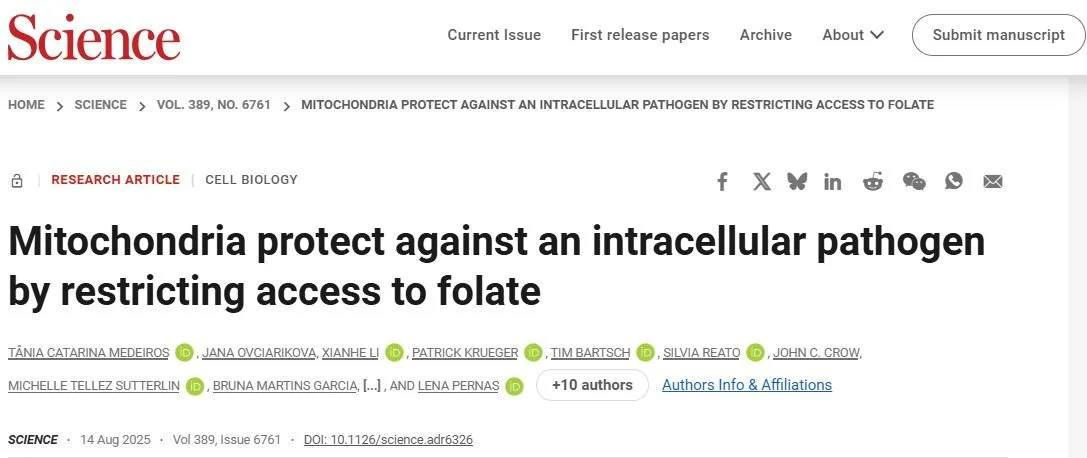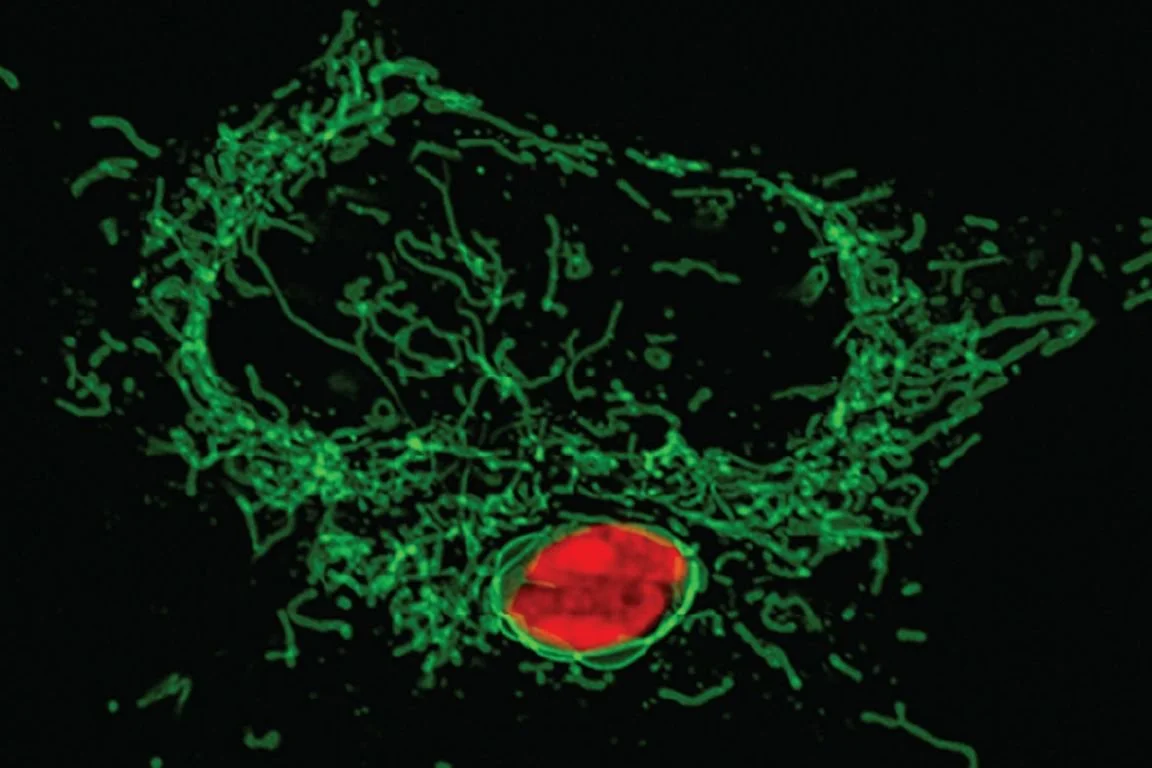
We’re excited to share that Lena was recently interviewed for a UCLA Newsroom feature highlighting new research on how host cell mitochondria help weaken intracellular infections.
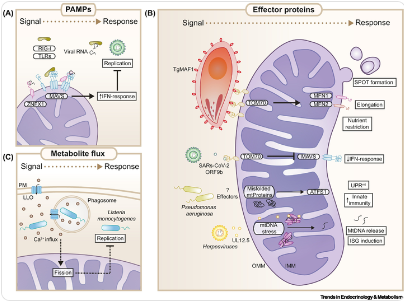
In the article, Lena discusses emerging evidence that mitochondria are not just passive powerhouses during infection, but active participants in host defense. By altering metabolic outputs and resource availability inside infected cells, mitochondria can effectively starve invading pathogens, limiting their ability to replicate and spread.
The interview highlights how pathogens depend on host nutrients to survive—and how mitochondrial remodeling during infection can tip the balance in favor of the host. These insights are especially relevant for intracellular parasites and bacteria that hijack host metabolism as part of their life cycle.
Lena’s perspective in the piece emphasizes the growing appreciation of mitochondria as dynamic signaling and regulatory hubs during infection, with implications for understanding disease mechanisms and identifying new therapeutic strategies.
You can read the full article here:
👉 “Scientists discover how cells use a secret weapon to fight off some pathogens” — UCLA Newsroom
We’re proud to see Lena’s work and insights featured, and excited about what this research reveals about the intersection of metabolism, organelle biology, and host–pathogen interactions.